

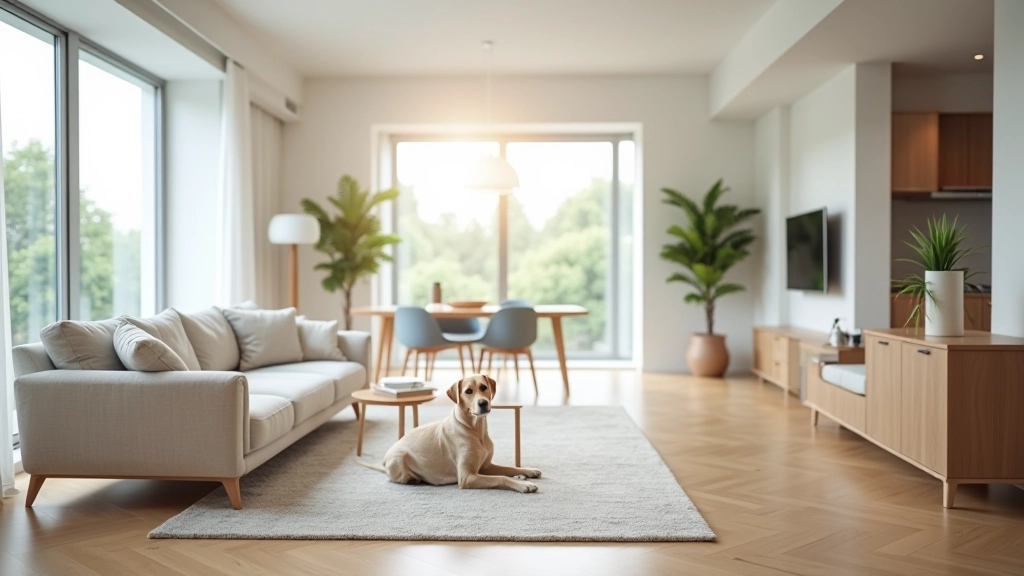
What Makes an Apartment Actually Pet-Friendly
Not every apartment that allows pets is truly suitable. We break down the features that matter — from flooring type to proximity to parks.
Beyond "Pets Allowed"
Here's the thing: a landlord saying "yes to pets" isn't the same as a place actually being good for your dog, cat, or rabbit. We've seen apartments where technically animals are permitted but the layout makes it nearly impossible for them to thrive. You'll find concrete floors that are rough on paws, tiny balconies with no shelter, and neighborhoods where there's nowhere to exercise.
After working with hundreds of pet owners across East Coast and Siglap, we've identified the real markers of a genuinely pet-friendly apartment. It's not just about lease terms — it's about the physical space, the surroundings, and how the building actually functions for animals.
Flooring Matters
Hardwood, vinyl, or tile are much better for pets than carpet. Easier to clean, safer for joints.
Parks Nearby
Walking distance to green spaces is essential. Your pet needs room to run and explore regularly.
Outdoor Space
A balcony or patio that's properly enclosed makes a real difference for safety and comfort.
The Layout Test
Walk through the apartment and ask yourself: can my pet move freely? Is there a clear path from bedroom to door? Does the balcony feel safe, or would my dog squeeze through the railing?
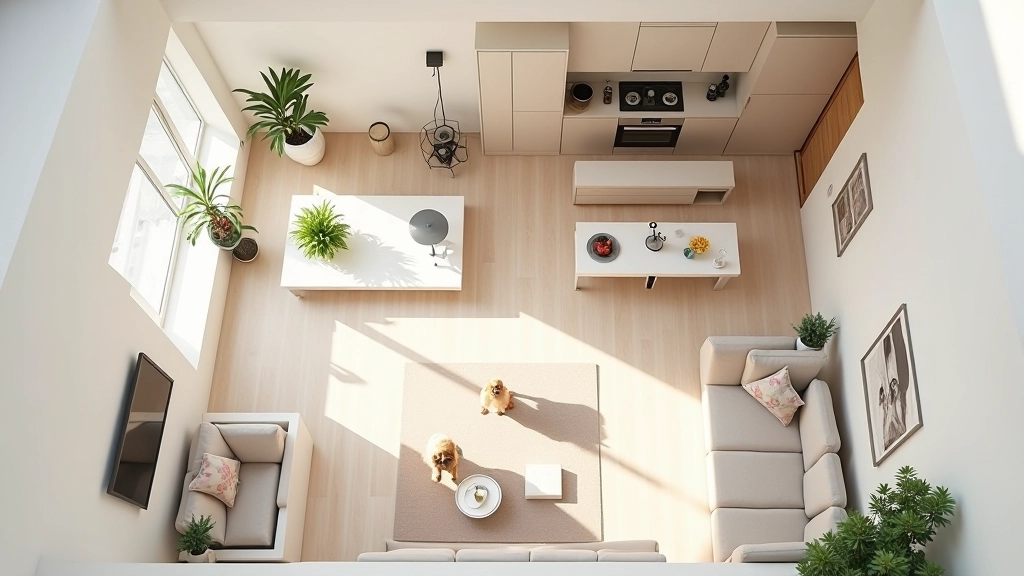
Many apartments in Singapore have awkward layouts — narrow corridors, multiple levels with steps, or open kitchens that make it hard to contain a pet during meals. You'll want to visualize daily routines. Where does your pet eat? Where do they sleep? Can they access those spots easily without jumping or squeezing?
The best pet-friendly apartments have open-plan living areas, minimal internal doors, and clear sightlines. Your pet shouldn't feel trapped or stressed by the physical layout.

Location: The Overlooked Factor
Your apartment's neighborhood might matter more than the unit itself. East Coast and Siglap have excellent parks — but you need to be close to them. If it's a 20-minute walk away, you're less likely to go regularly, and your pet suffers.
Look for apartments within 5-10 minutes of established dog parks or green spaces. Check if the area has other pet owners — that's usually a good sign. You'll also want to know about the roads nearby. Is there heavy traffic? Are the streets quiet enough for walking? What about the sidewalks — are they maintained, or full of potholes?
We're not just talking about parks. Vet clinics, pet supply shops, and pet-friendly cafes matter too. A neighborhood where you can easily access these services makes life with pets infinitely easier.
Building Features That Actually Help
1
Enclosed Balconies
Not just railings — actual glass or mesh enclosure. This prevents escape and gives you peace of mind.
2
Easy Elevator Access
Elevators that fit large cages or carriers easily. Ground-floor units eliminate multiple trips downstairs.
3
Pet Washing Facilities
Some buildings offer common pet wash areas. Not essential, but incredibly convenient for grooming.
4
Designated Pet Areas
Some complexes have small pet gardens or play zones where your animal can socialize safely.
Related Articles


Important Disclaimer
This article provides informational guidance on evaluating pet-friendly apartments in Singapore. The criteria and suggestions shared here reflect common standards in the rental market, but circumstances vary significantly by property, landlord, and individual pet needs. Always visit apartments in person, ask specific questions about pet policies, and thoroughly review lease agreements before committing. Pet suitability depends on many factors beyond the physical space — including your pet's temperament, your lifestyle, and local regulations. We recommend consulting with landlords directly and, when possible, getting recommendations from other pet owners in the building.
The Checklist
Before you sign anything, you'll want to verify a few key things. Walk the apartment with your pet in mind. Check the flooring — is it pet-friendly? Test the balcony railings for gaps. Look out the windows and count the parks within walking distance. Talk to current residents about their experiences.
Ask the landlord specific questions: How long have other tenants kept pets here? What's the policy on damage deposits? Are there restrictions on pet size or breed? What about noise complaints? Don't just take a yes at face value — dig deeper.
The apartments that truly work for pets aren't complicated. They've got good bones, access to green spaces, and landlords who genuinely understand what living with animals requires. They're not hard to spot once you know what to look for. Trust your instincts — if a place feels right for your pet, it probably is.