
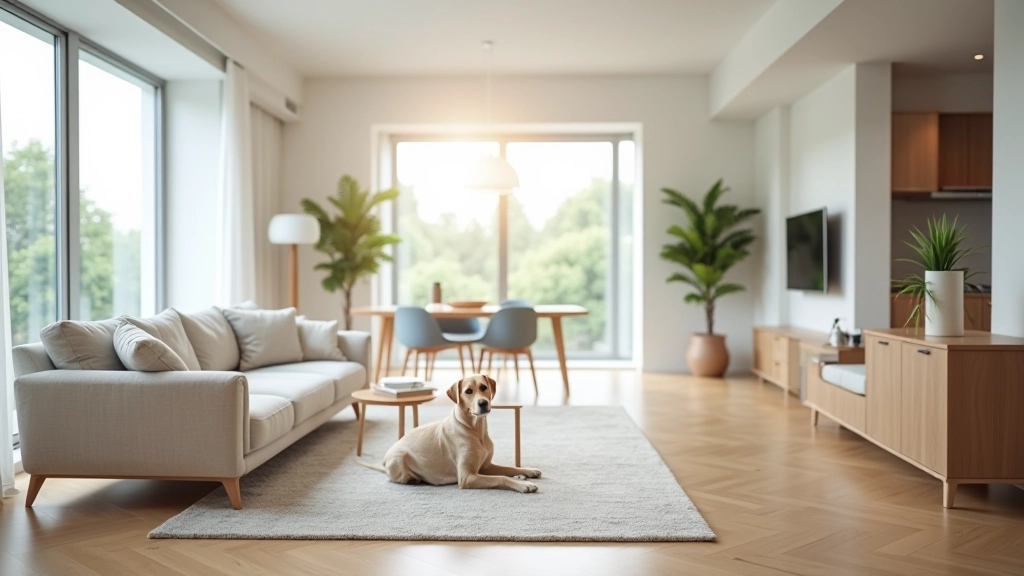
What Makes an Apartment Actually Pet-Friendly
Not every apartment that allows pets is truly suitable. We break down the features that make a rental genuinely pet-friendly.

Renting with two or more pets is harder but not impossible. Here's how to present your situation honestly and address common landlord concerns upfront.
You've got two cats and a dog. Or maybe a rabbit, hamster, and goldfish. Whatever your situation, you already know that landlords get nervous about multiple pets. Thing is, that reaction isn't always about being difficult — it's usually about real concerns. Property damage. Noise. Liability. Landlords aren't trying to be mean. They're protecting their investment.
But here's what matters: you're not impossible. You're just going to need a different strategy. Instead of hoping they'll overlook the numbers, you'll show them why your pets won't be a problem. You'll demonstrate responsibility. You'll be specific about your setup and honest about what you're asking them to accept. This approach works because it's not defensive — it's transparent.
Most landlords have a pet limit. One cat? Fine. Two cats and a dog? Suddenly you're in negotiation territory. They're thinking about wear and tear, vet emergencies, and worst-case scenarios. Your job isn't to convince them multiple pets are harmless. It's to show them YOUR multiple pets are managed, trained, and cared for.
Landlords aren't paranoid. They've seen things. Multiple pets means multiple sources of potential damage — scratched doors, stained carpets, destroyed baseboards. It also means more noise complaints from neighbors, more vet bills they might get sued for if something happens, and more complexity if you stop paying rent or move out suddenly.
The biggest worry? Behavioral issues. One well-trained dog? Manageable. Two dogs and a cat with anxiety? That's a different story. They're imagining separation anxiety leading to destructive behavior. They're thinking about whether you can actually manage feeding schedules, bathroom breaks, and playtime across multiple animals. They're wondering if one pet will bully the others and create ongoing noise and conflict.
Plus there's the sheer logistics question: do you have enough space? Are your pets compatible? What happens when you travel or work long hours? These aren't unreasonable concerns. They're the exact things you should've already thought through before applying.


Don't just list your pets. Show your setup. This means actual details: your cat lives in the bedroom during the day while you're at work, reducing territorial conflict with your dog. Your two dogs have separate crates for nighttime, preventing fights. You've got a pet gate system so they don't overwhelm guests or neighbors when doors open.
Include vaccination records for all animals. Get them microchipped if they aren't already. Bring vet references who can confirm that your pets are healthy, trained, and stable. Show your landlord actual photos of how your pets interact — not cute Instagram moments, but real photos showing they coexist peacefully.
Be honest about breed and size. If you've got a dog that's on a landlord's restricted breed list, don't hide it. It won't work. Instead, lead with a behavioral assessment or training certification showing your dog is trustworthy despite its breed. Transparency here actually builds credibility because landlords expect you to try to hide things.

Start by asking the landlord directly: what's your pet policy? Don't assume. Some landlords have absolute rules — zero pets, period. Others have a number limit but might negotiate for the right tenant. Some care more about breed than count. Find out what matters to them specifically.
Offer a pet deposit higher than their standard rate. If they ask for $500 per pet and you've got three, offer $2000 upfront. Yes, it's money you might not get back. But it signals confidence. You're not worried about damage because your pets won't cause damage. You're willing to put money behind that confidence.
Consider a pet behavior clause in the lease. Let them put in writing that if any pet shows aggression, excessive barking, or causes damage, you'll address it immediately or move. Most landlords won't even suggest this — they'll assume you'll fight it. When you volunteer it, you look like someone who's thought about responsibility.



This article provides educational information about renting with multiple pets in Singapore. Rental terms, pet policies, and legal requirements vary significantly by property, landlord, and location. We strongly recommend consulting directly with potential landlords about their specific pet policies, reviewing your lease agreement carefully, and seeking legal advice if needed. Information provided here is current as of publication but may change. Always verify current pet-friendly rental options and requirements with individual property managers.
Multiple pets aren't a dealbreaker. But they require you to be more strategic, more transparent, and more willing to compromise than someone applying with a single cat. You're going to need veterinary references, vaccination records, behavior documentation, and proof that your pets coexist peacefully.
Most importantly, you need to approach the application like a professional. Don't treat it as asking for a favor. Treat it as presenting a case. You're showing a landlord that you're a responsible pet owner with multiple animals who won't create problems. You've got references. You've got records. You're willing to pay more to prove your commitment.
The right landlord will see this approach and understand that you're serious about both your pets and your lease obligations. You'll find your place in East Coast or Siglap. It just takes preparation, honesty, and the willingness to negotiate terms that work for everyone.